Individualized Aging Care Bed Systems for Increased Comfort
Tailored senior care bed solutions are increasingly recognized for their role in enhancing comfort and overall well-being among seniors. Customized features can address specific health concerns, affecting sleep quality and emotional stability. Many seniors face unique challenges that affect their rest. Understanding these challenges is essential. What specific innovations in bed design can make a significant difference in their daily lives? The answers may reshape how we approach elderly care.
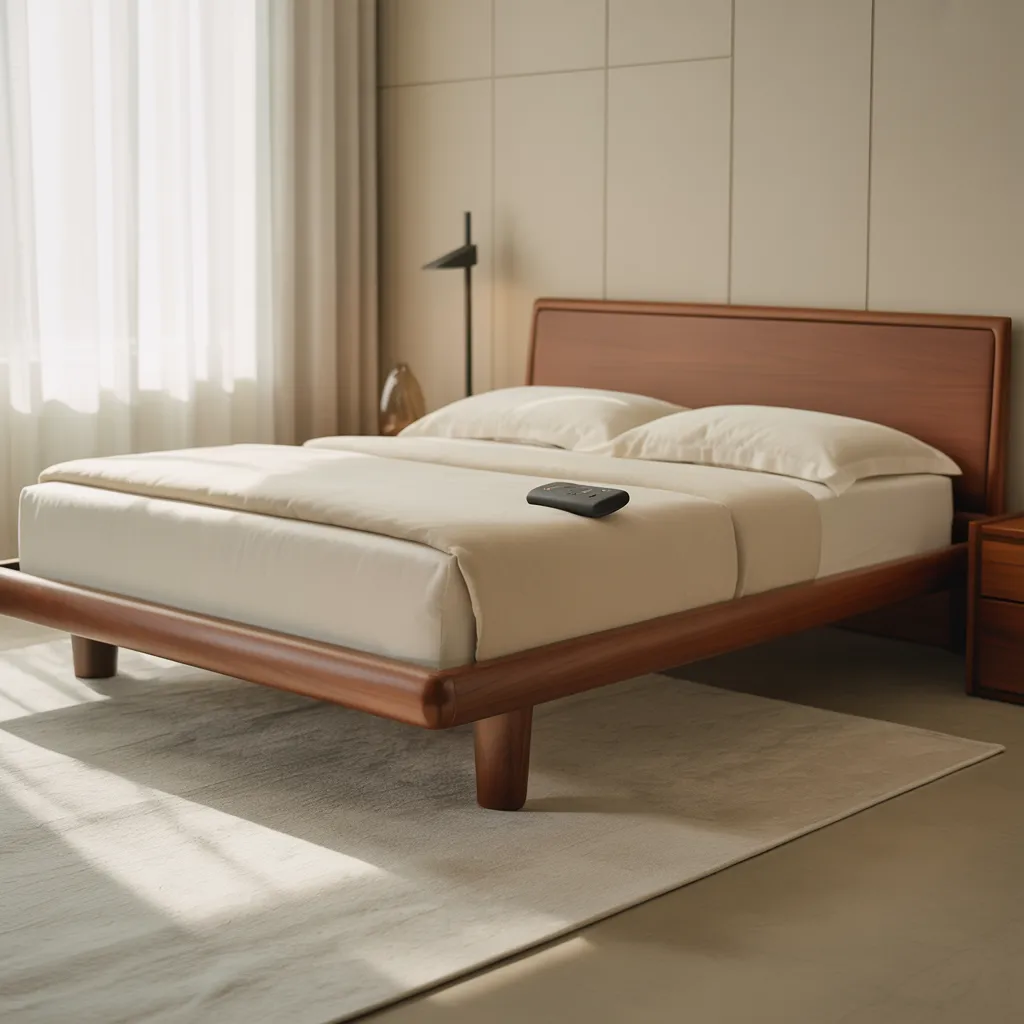
Why Older individuals Struggle to Sleep and How Personalized Beds Can Help
As older adults age, they often face various challenges that disrupt their rest, such as chronic pain, medical conditions, and changes in sleep patterns. These elements can lead to multiple nighttime awakenings and trouble in obtaining quality sleep. Many seniors also experience mobility issues, making it more difficult to find comfortable sleeping positions. Traditional beds may not offer the necessary support or adjustability needed for personal ease.
Customized sleep systems can greatly alleviate these problems. Featuring adjustable frames, these beds enable seniors to raise their head or legs, reducing pressure on sensitive areas and encouraging better circulation. Additionally, specialized mattresses can be tailored to meet specific needs, such as firmness preference and temperature regulation. By improving overall sleep quality, customized beds can contribute to enhanced well-being, helping seniors to wake up refreshed and prepared in daily activities. Ultimately, personalized bed solutions stand as an important component in addressing sleep challenges faced by the elderly.
Typical Sleep Challenges for Older Adults and Their Influence
Sleep disturbances are a widespread issue among seniors, considerably affecting their overall health and well-being. Common issues include insomnia, sleep apnea, and restless leg syndrome, each contributing to fragmented sleep patterns. Insomnia may stem from various factors, including medications, chronic pain, or anxiety, resulting in daytime fatigue and cognitive decline. Sleep apnea, characterized by interrupted breathing during sleep, can lead in serious health complications such as cardiovascular problems and increased risk of falls. Restless leg syndrome often presents as uncomfortable sensations in the legs, prompting frequent movement that disrupts restful sleep. These problems not only diminish physical well-being but also exacerbate emotional challenges, such as depression and anxiety. Consequently, addressing sleep issues in seniors is crucial for improving their overall quality of life, ensuring they remain engaged and active in their daily activities. Understanding these common sleep issues is essential for creating effective solutions and support strategies.
Critical Traits of Elderly Care Beds for Maximum Comfort
Throughout the domain of senior care, the framework of beds plays a critical role in safeguarding comfort and safety. Key traits such as adjustable height adjusters, pressure relief mattresses, and supportive side rails greatly improve the user experience. These features enable a more restful sleep context tailored to the needs of seniors.
Adjustable Height Mechanism
An flexible elevation feature constitutes an essential feature in elderly care beds, significantly improving comfort and accessibility. This mechanism permits caregivers to quickly modify the bed's vertical position, facilitating more secure transitions for both residents and workers. By decreasing the bed, residents can get in and out with little effort, minimizing the chance of accidents. On the other hand, lifting the bed supports nursing assistants in performing tasks without undue stooping or lifting, thus promoting ergonomic practices. The capacity make a move to modify elevation not only enables autonomy for the elderly but also addresses multiple healthcare requirements, ensuring that the bed can adapt to different situations. Ultimately, this feature substantially contributes to a more secure and pleasant healthcare setting for the aging individuals.
Pressure Reduction Sleep Surfaces
Improving comfort and preventing pressure ulcers, pressure relief mattresses serve as vital parts of elderly care beds. These specialized mattresses distribute body weight equally, reducing pressure points that can cause skin breakdown. Constructed from state-of-the-art materials like memory foam or gel-infused layers, they conform to the body's contours, ensuring a pleasant sleeping surface. Additionally, many pressure relief mattresses feature adjustable firmness levels, enabling caregivers to customize support according to individual needs. The breathable fabric boosts airflow, fostering a fresher sleep environment while reducing moisture buildup. Proper maintenance, such as cleaning and replacing worn-out mattresses, is essential to preserve their effectiveness. In general, pressure relief mattresses significantly enhance the overall well-being and comfort of elderly patients.
Supportive Side Rails
Supportive side rails constitute important components of senior care beds, delivering essential security and ease for residents. These supports are designed to avert accidents, offering stability when residents shift positions or exit and get into the bed. They also work as grip handles, supporting individuals with restricted movement. Multiple models offer adjustable heights, facilitating caregivers to modify the supports to meet individual needs effectively. In addition, some side rails feature built-in storage for items, enhancing practicality. The application of padded surfaces can additionally boost ease, lowering the likelihood of damage from unplanned bumps. In summary, supportive side rails play a major role in creating a secure and comfortable environment, confirming that aging residents can maintain their self-reliance while obtaining necessary care.
Adjustable Beds for Safety and Usability
In what ways can adjustable beds revolutionize the safety and accessibility of senior care? These beds provide substantial advantages by enabling adjustable positioning options that improves mobility and comfort. By allowing users to elevate their lower or upper body, adjustable beds enable easier shifts between lying down and sitting up, reducing the fall risk during these motions.
In addition, their construction can accommodate multiple medical ailments, such as arthritis or respiratory issues, making daily activities more protected and more workable. Many adjustable beds also provide features like remote controls and memory settings, allowing caregivers to modify the bed's position with ease.
Moreover, refined designs can integrate seamlessly into home environments, minimizing the social stigma often linked to hospital-style equipment. Ultimately, customizable bed frames not only enhance accessibility and safety but also promote a sense of independence and dignity for elderly individuals.
Selecting the Ideal Mattress for Elderly Well-being
What factors should be assessed when choosing a mattress for seniors? Comfort and support are essential, as older adults often experience pain in joints and other medical conditions. A mattress that delivers adequate pressure relief can improve sleep quality and decrease discomfort. Additionally, mattress firmness has an significant role; a medium-firm mattress typically maintains balance between support and padding.
Temperature regulation is another important factor, as seniors may be more sensitive to heat. Materials like gel-infused memory foam or breathable latex can help sustain a comfortable sleeping environment. Weight considerations are also important; lighter seniors may benefit from softer mattresses, while heavier individuals often require firmer support to prevent sagging.
Finally, freedom of motion should not be ignored. A mattress that enables older adults to shift positions with ease can prevent stiffness and improve total comfort during sleep. Selecting the right mattress is essential for encouraging peaceful sleep and overall well-being.
Success Stories: Optimizing Sleep With Individualized Bed Solutions
Transforming health through tailored bed choices has become a guiding light of hope for many seniors dealing with sleep issues. One remarkable story involves an 82-year-old woman who, after years of restless nights due to discomfort, found relief with an adjustable bed that catered to her exact needs. This solution allowed her to elevate her head and legs, greatly reducing her sleep apnea symptoms.
Similarly, a 75-year-old man suffering from arthritis indicated a profound improvement in his quality of sleep after switching to a memory foam mattress designed for pressure relief. He remarked that the specialized support eased his discomfort, helping him to enjoy uninterrupted rest.
These success stories illustrate the positive impact of bespoke bed options, allowing seniors to recover their sleep and, in turn, enhance their overall living standards. Such developments not only address physical discomfort but also nurture emotional well-being, creating a complete framework to elderly care.
Frequently Asked Inquiries
How Can I Figure Out the Ideal Bed Height for My Senior Loved One?
To establish the optimal bed height for an older family member, assess their knee height when sitting. The bed should enable accessible entry for getting in and out, ensuring safety and comfort during use.
Can you locate specific bed materials that are allergen-resistant for aging adults?
Yes, specific substances like organic cotton, bamboo, and hypoallergenic memory foam are excellent for seniors. These selections reduce allergens and strengthen comfort, supporting better sleep quality and overall health in elderly individuals.
What Are the Upkeep Needs for Customized Elderly Care Beds?
Specialized elderly care beds demand frequent assessments for damage, cleaning of surfaces with safe products, and checking mechanical components for proper working condition. Proper maintenance guarantees durability and safety, boosting overall comfort for elderly users.
Can Tailored Beds Accommodate Medical Devices Like CPAP Machines?
Yes, tailored beds are able to accommodate medical devices like CPAP machines. These beds frequently include integrated storage options and power outlets, guaranteeing safe and convenient access for users managing their health conditions during sleep.
Do Financial Assistance Plans Available for Purchasing Customized Elderly Care Beds?
Yes, various funding options exist for purchasing specialized senior care beds. Options comprise Medicaid, Medicare, and charitable organizations, which may offer funding or reimbursement, helping families access necessary equipment for seniors' wellbeing and support.